EEG, which stands for electroencephalography, was invented in 1924 by a German psychiatrist named Hans Berger. He was the first person to record and analyze the electrical activity of the human brain using electrodes placed on the scalp. Berger’s groundbreaking work opened up new avenues for the study of brain function and led to the development of numerous applications of EEG in clinical medicine, neuroscience, and psychology. Today, EEG remains a valuable tool for diagnosing and monitoring neurological disorders, studying brain activity, and developing brain-computer interfaces.
What supplements can I take after a concussion?

It is important to seek medical attention if you have suffered a concussion, as a healthcare professional can determine the severity of the injury and provide appropriate treatment. In terms of supplements, there is no definitive evidence that any particular supplements are effective for treating concussions. However, there are some supplements that have been suggested to support brain health and may be beneficial for recovery from a concussion:
- Omega-3 fatty acids: Omega-3 supplements may help reduce inflammation and support brain function. They can be found in fish oil or algae-based supplements.
- Magnesium: Magnesium is involved in many processes in the body, including nerve function and regulation of blood flow. It may help reduce inflammation and support brain function.
- Vitamin D: Vitamin D is important for bone health and may also play a role in brain function. Some studies have suggested that low levels of vitamin D may be associated with increased risk of concussion and slower recovery.
- Curcumin: Curcumin is the active ingredient in turmeric, a spice commonly used in Indian cuisine. It has anti-inflammatory properties and may help protect the brain from damage.
However, it is important to consult with a healthcare professional before taking any supplements, especially if you have suffered a concussion. They can advise you on the safety and potential benefits of supplements, and help you determine an appropriate dosage.
Why do I have nausea after a concussion?

Nausea is a common symptom associated with many medical conditions, including concussion. A concussion is a type of traumatic brain injury (TBI) that occurs when the brain is jolted or shaken inside the skull, causing it to temporarily malfunction. Nausea is a common symptom of concussion and can be a sign that someone has sustained a head injury.
Nausea is a feeling of queasiness or discomfort in the stomach that often leads to the urge to vomit. It is one of the most common symptoms of concussion, along with headache, dizziness, and confusion. Nausea can occur immediately after a head injury or can develop gradually over time. In some cases, it can be a sign of a more serious brain injury.
The exact cause of nausea in concussion is not fully understood, but it is believed to be related to the disruption of the brain’s normal functioning. When the brain is injured, it can trigger a number of physiological responses, including changes in blood pressure, heart rate, and the release of certain hormones. These changes can affect the digestive system, leading to nausea and vomiting.
The severity and duration of nausea in concussion can vary depending on the individual and the extent of their injury. In some cases, nausea may only last a few hours or days, while in others it can persist for weeks or even months. It is important to seek medical attention if you experience persistent or severe nausea after a head injury, as it may be a sign of a more serious brain injury.
Treatment for nausea in concussion typically involves managing the underlying injury and addressing any related symptoms. Rest and avoidance of physical activity are often recommended in the immediate aftermath of a concussion to allow the brain to heal. Medications such as anti-nausea drugs may also be prescribed to help alleviate symptoms.
In conclusion, nausea is a common symptom associated with concussion and can be a sign of a more serious brain injury. It is important to seek medical attention if you experience persistent or severe nausea after a head injury, as it may be a sign of a more serious brain injury. Treatment for nausea in concussion typically involves managing the underlying injury and addressing any related symptoms.
Why do I have to do cognitive exercises?
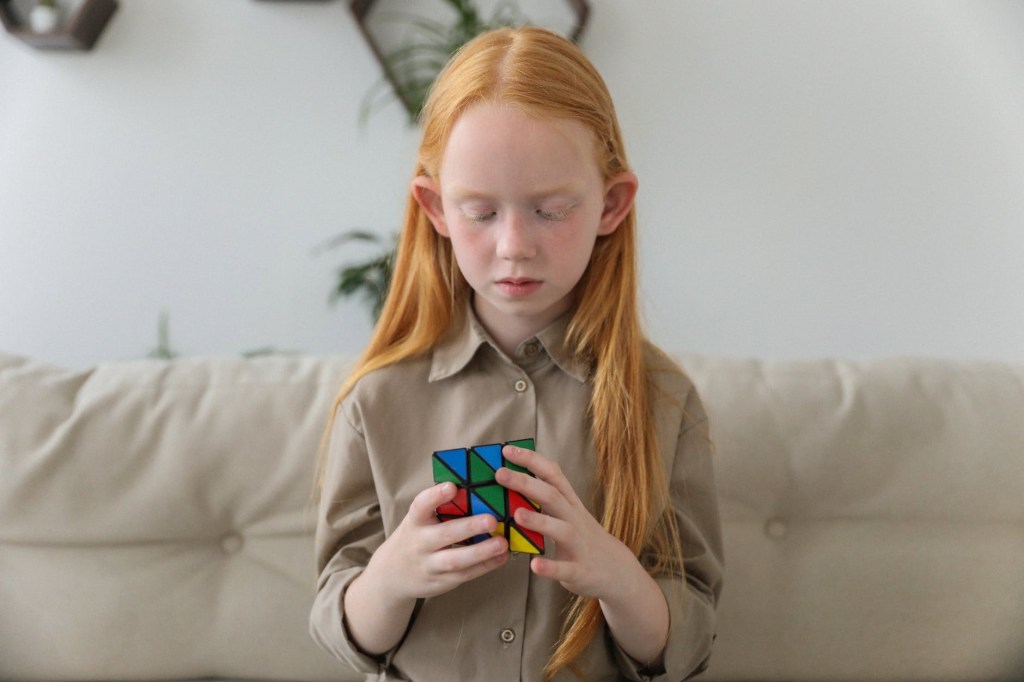
Concussions are a type of traumatic brain injury that can affect cognitive function, including memory, attention, and processing speed. Cognitive exercises can be an effective way to help individuals recover from concussions by stimulating the brain and promoting neural plasticity. In this blog post, we will discuss some cognitive exercises that can be helpful for concussion recovery.
- Memory Games: Memory games can help improve short-term memory, which is often affected by concussions. Simple memory games like matching games, word recall, and memory match can be helpful. You can also try more advanced memory games like Sudoku and crossword puzzles.
- Attention and Focus Exercises: Concussions can impact attention and focus, making it difficult to concentrate on tasks. Exercises such as meditation, deep breathing, and mindfulness can be helpful in improving focus and attention.
- Reading and Writing Exercises: Reading and writing exercises can be helpful in improving cognitive function following a concussion. Start with simple reading exercises and gradually increase the difficulty level. You can also try writing exercises like journaling or creative writing.
- Visual Processing Exercises: Concussions can affect visual processing, making it difficult to process visual information quickly. Visual processing exercises like object recognition, pattern recognition, and visual scanning exercises can help improve visual processing.
- Cognitive Flexibility Exercises: Concussions can impact cognitive flexibility, which is the ability to switch between tasks or adapt to changing situations. Exercises such as playing strategy games, trying new activities, and problem-solving exercises can help improve cognitive flexibility.
Remember, it’s important to start with simple exercises and gradually increase the difficulty level as you progress. Also, it’s important to consult with a healthcare professional before starting any exercise program following a concussion. With time and patience, cognitive exercises can be an effective way to improve cognitive function and aid in concussion recovery.
Is it good to exercise after a concussion?

A concussion is a type of traumatic brain injury that can occur from a blow to the head or body. It can cause a range of symptoms, including headache, dizziness, nausea, and sensitivity to light and noise. Recovery from a concussion can take time, and it’s important to take care of yourself during this period.
One question that often comes up is whether it’s safe to exercise after a concussion. The answer is that it depends on the severity of the concussion and the type of exercise you’re considering.
In general, it’s best to avoid any activity that could increase your risk of falling or hitting your head again. This means avoiding contact sports, high-impact activities like running and jumping, and any other activity that could jar your head or body. You should also avoid activities that require a lot of concentration or focus, as this can exacerbate symptoms like headache and dizziness.
However, there are some types of exercise that can be beneficial during the recovery process. These include:
- Light aerobic exercise: Walking, cycling, and swimming are all good options for low-impact aerobic exercise. These activities can help increase blood flow and oxygen to the brain, which can aid in the healing process.
- Stretching: Gentle stretching can help improve flexibility and reduce muscle tension, which can be helpful if you’re experiencing neck or shoulder pain after a concussion.
- Balance exercises: Balance exercises like standing on one foot or using a balance board can help improve balance and reduce the risk of falls.
It’s important to start slowly and gradually increase the intensity of your exercise as you feel comfortable. It’s also important to listen to your body and stop if you experience any symptoms like headache, dizziness, or nausea.
If you’re unsure about whether it’s safe to exercise after a concussion, it’s a good idea to talk to your doctor or a healthcare professional. They can provide guidance on the best types of exercise for your specific situation and help you create a safe and effective exercise plan.
In general, exercising after a concussion can be beneficial for your overall health and wellbeing, but it’s important to approach it with caution and prioritize your safety and recovery.
Why is my balance off after a concussion?

A concussion is a type of traumatic brain injury that occurs when the brain is jolted or shaken inside the skull. This sudden movement can cause the brain to bounce or twist, leading to a range of symptoms, including balance problems.
Balance is a complex process that involves multiple systems in the body, including the visual, vestibular, and proprioceptive systems. These systems work together to maintain a stable stance and allow for smooth movements. When any of these systems are disrupted, it can lead to balance problems.
During a concussion, the brain can suffer bruising, swelling, or tearing, which can disrupt the normal functioning of these systems. In particular, the vestibular system, which is responsible for detecting changes in head position and movement, can be affected. This can cause a person to feel dizzy, lightheaded, or unsteady on their feet.
In addition to the vestibular system, the visual and proprioceptive systems can also be impacted by a concussion. The visual system helps to provide information about the environment and detect any changes in position, while the proprioceptive system provides information about body position and movement.
When any of these systems are compromised, it can lead to a range of balance problems, including difficulty standing or walking, feeling unsteady or dizzy, and even falling.
It is important to note that not all concussions will result in balance problems. The severity of the concussion, the location of the injury, and the individual’s overall health and fitness can all play a role in determining the extent of the balance problems.
If you or someone you know has experienced a concussion and is experiencing balance problems, it is important to seek medical attention. A healthcare professional can perform a thorough evaluation to determine the extent of the injury and provide appropriate treatment and management strategies.
In conclusion, balance problems are a common symptom of concussions due to the disruption of multiple systems in the body that are responsible for maintaining stability and allowing for smooth movements. Seeking medical attention is crucial for proper diagnosis and management of this condition.
Do cognitive exercises help after a concussion?

Concussions are a type of traumatic brain injury that can occur due to a blow to the head or a jolt to the body that causes the brain to move rapidly back and forth. The symptoms of a concussion can vary from person to person, but they often include headaches, dizziness, nausea, and difficulty concentrating or remembering things. If you have recently experienced a concussion, cognitive exercises may help you to recover more quickly and effectively.
Cognitive exercises are mental activities that can help to improve brain function and facilitate the recovery process after a concussion. These exercises are designed to challenge different aspects of cognitive functioning, such as attention, memory, and problem-solving. Here are some cognitive exercises that can be beneficial for people who have experienced a concussion:
- Memory games: Memory games, such as matching exercises or memory recall games, can help to improve short-term memory and attention. These games can be as simple as remembering a sequence of numbers or as complex as recalling a series of events.
- Visual perception exercises: Visual perception exercises, such as puzzles or mazes, can help to improve spatial awareness and visual processing. These exercises can help to improve hand-eye coordination and spatial reasoning skills.
- Reading and writing exercises: Reading and writing exercises, such as journaling or reading comprehension exercises, can help to improve language and communication skills. These exercises can help to improve focus, attention, and memory.
- Problem-solving exercises: Problem-solving exercises, such as logic puzzles or brain teasers, can help to improve cognitive flexibility and problem-solving skills. These exercises can help to improve attention, memory, and decision-making skills.
- Meditation and relaxation exercises: Meditation and relaxation exercises, such as deep breathing or mindfulness exercises, can help to reduce stress and improve overall cognitive function. These exercises can help to improve attention, memory, and decision-making skills.
It is important to note that cognitive exercises should be tailored to each individual’s needs and abilities. A healthcare professional or cognitive rehabilitation specialist can help to design a personalized cognitive exercise program that is appropriate for your specific needs. Additionally, it is important to slowly and gradually increase the intensity and duration of cognitive exercises, as overexertion can worsen symptoms and delay recovery.
In conclusion, cognitive exercises can be an effective way to facilitate the recovery process after a concussion. These exercises can help to improve attention, memory, problem-solving, and other cognitive functions that may be affected by a concussion. If you have experienced a concussion, it is important to consult with a healthcare professional to determine the best treatment.
Why qEEG?
Concussions are a type of traumatic brain injury that can occur as a result of a blow to the head or body, a fall, or any other type of injury that causes the brain to move rapidly within the skull. Concussions can vary in severity, but even a mild concussion can have long-term consequences if not properly diagnosed and treated. One tool that is increasingly being used to diagnose concussions is qEEG.
qEEG stands for quantitative electroencephalography. It is a type of brain imaging that measures the electrical activity of the brain. During a qEEG, electrodes are placed on the scalp to record the electrical activity of the brain. The data is then analyzed to identify patterns of activity that may be indicative of a concussion.
One of the benefits of using qEEG for concussion diagnosis is that it can detect changes in brain activity that may not be visible on traditional imaging tests, such as CT scans or MRIs. This is because qEEG measures the functional activity of the brain, rather than just its structural integrity. This means that even if there is no visible damage to the brain, a qEEG may still be able to detect changes in brain function that are indicative of a concussion.
Another benefit of using qEEG for concussion diagnosis is that it is non-invasive and painless. Unlike other types of brain imaging tests, such as CT scans or MRIs, qEEG does not require any radiation exposure or injections of contrast dye. This makes it a safe and convenient option for diagnosing concussions.
qEEG can also be used to track a patient’s recovery from a concussion. By comparing qEEG results over time, doctors can monitor changes in brain function and determine whether the patient is improving or if further treatment is necessary.
It is important to note that qEEG is just one tool that doctors use to diagnose concussions. It should be used in conjunction with other diagnostic tests, such as a physical exam and cognitive testing. Additionally, qEEG is not a substitute for proper medical care. If you suspect that you or someone you know has a concussion, it is important to seek medical attention right away.
In conclusion, qEEG is a valuable tool for diagnosing concussions. It is non-invasive, painless, and can detect changes in brain function that may not be visible on other types of imaging tests. By using qEEG to diagnose and monitor concussions, doctors can provide patients with the best possible care and improve their chances of a full recovery.
How to diagnose a concussion.
Diagnosing a concussion typically involves a combination of physical examination, symptom assessment, and in some cases, imaging tests. Here are some common steps involved in diagnosing a concussion:
- Physical examination: A doctor will perform a physical exam to check for any signs of injury, such as cuts, bruises, or swelling. They will also assess the person’s level of consciousness, responsiveness, and balance.
- Symptom assessment: The doctor will ask the person about the symptoms they are experiencing, such as headache, nausea, confusion, and memory loss. They may also use standardized assessment tools, such as the Sport Concussion Assessment Tool (SCAT), to evaluate the person’s symptoms.
- Imaging tests: In some cases, a doctor may order imaging tests, such as a CT scan or MRI, to check for any structural damage to the brain. However, these tests are usually not necessary to diagnose a concussion and are only ordered if the doctor suspects a more serious head injury.
It is important to seek medical attention as soon as possible after a head injury, as some symptoms of a concussion may not appear until days or even weeks later. A doctor can properly diagnose a concussion and provide a treatment plan to help the person recover and prevent further injury.
Understanding Concussions: Symptoms, Causes, and Treatment
Introduction:
A concussion is a type of traumatic brain injury that occurs after a bump, blow, or jolt to the head. It can result from a variety of activities, such as playing sports, car accidents, or falls. In this blog post, we will discuss the symptoms, causes, and treatment of concussions.
Symptoms:
- Headache
- Dizziness
- Nausea
- Confusion
- Memory loss
- Fatigue
- Difficulty sleeping
- Irritability
- Depression
- Sensitivity to light or noise
Causes:
- Blows to the head from falls, car accidents, or sports
- Whiplash from sudden, forceful movement of the head
- Direct impact to the head, such as from a punch or a kick
Treatment:
- Rest: physical and cognitive rest is crucial for recovery from a concussion
- Over-the-counter pain medication for headache relief
- Monitoring for worsening symptoms: If symptoms worsen, seek medical attention immediately
- Gradual return to physical activity: Do not return to contact sports or activities until fully recovered
- Follow-up with a doctor: Regular follow-up appointments with a doctor can help monitor progress and ensure a complete recovery.
Conclusion: Concussions can be serious and it is important to take them seriously. If you suspect you or someone you know has a concussion, seek medical attention right away. With proper treatment, most people make a full recovery.
 Sensus Diagnostics